These small fuzzy leaves offer fruity and mint tones that are great fresh, dried or frozen. Use this delicate herb in sorbets, rubs for poultry, lamb and seafood or even muddle the leaves to make a fresh drink or cocktail!
Out of stock
These small fuzzy leaves offer fruity and mint tones that are great fresh, dried or frozen. Plant this mint after the last spring frost and it will bloom well into early fall. This herb is native to southern and western Europe including the Mediterranean region. This upright plant is commonly grown for its culinary purposes but also serves as an excellent ground cover! Use this delicate herb in sorbets, rubs for poultry, lamb and seafood or even muddle the leaves to make a fresh drink or cocktail!
| Dimensions | 12-36 × 12-24 in |
|---|---|
| Botanical Name | Mentha suaveolens |
| Height | 12-24" |
| Width | 12-36" |
| Deer Resistance | Y |
| Attracts Pollinators | Y |

An interesting palm like tree that will branch with age to produce several heads; produces large panicles of sweet smelling white blooms; may be grown in zone 8b with some protection; a wonderful addition to a tropical themed garden

The name Caudata refers to the leaves looking like a tail or having a point. These leaves have a silver, green variegated look to them.
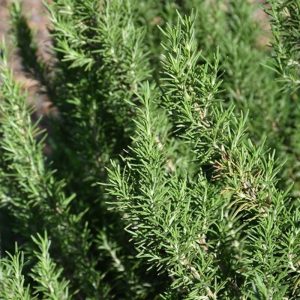
Use this fragrant evergreen shrub that is commonly used as a spice in poultry and potato dishes, Italian cooking, olive oils and salad dressings. Caring for this plant will be easy, it will like 6-8 hours of sunlight and sandy, well-drained soil.

This herb actually has more than one use! Coriander is commonly used to add flavor to international dishes. When you pinch the leaves off you get cilantro, which goes great in many dishes and salsas!